The Real Problems with Relocating in Nigeria Right Now
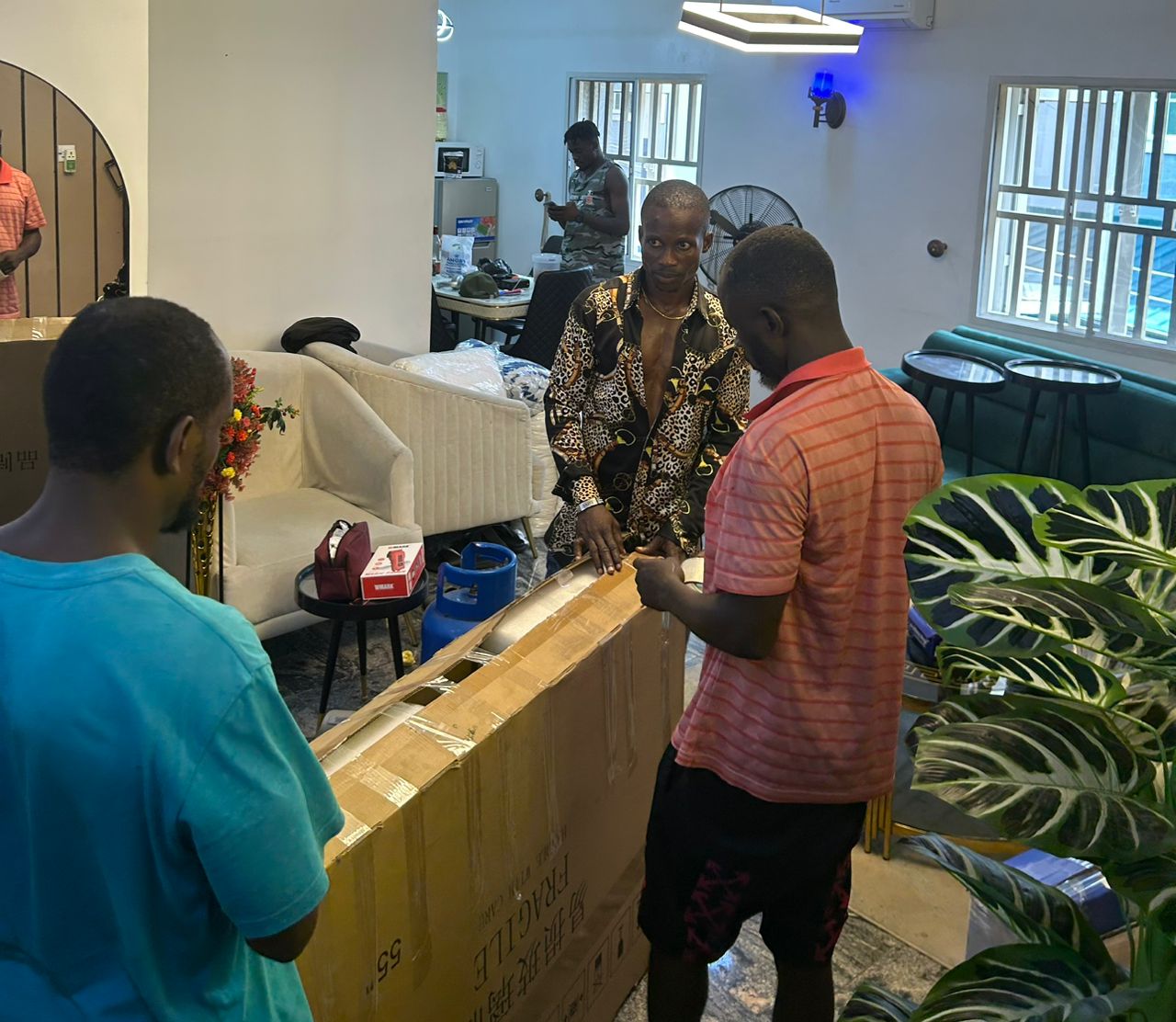
Moving house in Nigeria has never been straightforward. But in 2025 and into 2026, the obstacles facing anyone trying to relocate have become sharper, more expensive, and more emotionally draining than at any point in recent memory. Rents are rising faster than incomes. Housing is scarce. Roads are difficult. And the moving industry itself remains largely unregulated. If you are planning a relocation whether across town or across states here is what you are actually up against.
1. Rent Is Rising Faster Than Almost Anything Else
The most immediate problem for anyone relocating right now is finding somewhere affordable to move to. Across Nigeria's major cities, rental prices have accelerated dramatically. In Lagos, a three-bedroom flat along Ago Palace Way that rented for ₦700,000 in late 2023 was recently listed at ₦2.5 million before settling at ₦1.9 million after negotiation. In Port Harcourt, rents in neighbourhoods like Rumuokoro have jumped from ₦500,000 to ₦1 million for a three-bedroom flat an increase of 60% within a single tenancy cycle.
The drivers are structural, not temporary. The cost of constructing a one-bedroom flat reportedly rose from approximately ₦75 million in 2024 to over ₦140 million in 2025, driven by inflation and naira depreciation. Developers pass those costs to landlords; landlords pass them to tenants. Meanwhile, the national minimum wage sits at ₦70,000 per month a fraction of what a year's rent now demands in most urban centres.
What this means for your move:
Total move-in costs in Lagos and Abuja including rent, agent fees, caution deposit, and legal charges now routinely run between ₦2.5 million and ₦6 million for a two-bedroom flat. Budget for this before you budget for the physical move itself.
2. The Housing Supply Gap Is Not Closing
Nigeria currently has a housing deficit estimated at nearly 15 million units. The country needs approximately 550,000 new homes every year just to keep pace with demand yet formal housing production remains well below 100,000 units annually. Lagos alone requires over 227,000 new homes per year to meet demand and replace ageing stock, and it is nowhere close to delivering that.
What this creates in practice is a rental market where landlords hold near-total pricing power. Vacancies in high-demand corridors Ikeja, Surulere, Yaba, Lekki, GRA Port Harcourt are low and competition for available units is intense. Tenants who cannot afford the new price are pushed further out, into areas with longer commutes and weaker infrastructure. Moving becomes not just a logistical exercise but a compromise.
3. Infrastructure Makes the Physical Move Harder
Once you have found a new place and sorted the rent, you still have to actually move your belongings and Nigerian roads make that harder than it should be. Narrow access roads, flooding in low-lying areas, and congestion in urban centres all create real problems for moving trucks. In Lagos especially, what looks like a short distance on a map can mean several hours of transit time during peak hours.
There is also a compounding problem: infrastructure costs in Nigeria are largely privatised. Developers who must build their own access roads, provide their own power solutions, and manage their own drainage price those costs into units. When you relocate to a new estate or development, you are often paying for infrastructure that should have been publicly provided and those costs follow you in the form of service charges and elevated rents.
4. The Moving Industry Itself Has No Enforced Standards
Nigeria has no regulatory body that meaningfully governs who can operate as a professional moving company. There are no enforced licensing requirements, no mandatory insurance frameworks, and no transparent pricing standards. This leaves people relocating already under financial pressure from rising rents vulnerable to a second layer of risk: the company they hire to move their belongings.
Common problems include verbal-only pricing that changes on the day of the move, inadequate packing that results in damaged items, and movers who disappear when something goes wrong. The informal nature of most operations means there is rarely a meaningful way to seek redress after the fact.
- No written quote provided before the move begins
- Full payment demanded upfront with no accountability if items are damaged
- Undersized trucks that require multiple trips (and charge for each)
- No documentation of items packed or their condition before loading
- No clear process for handling breakages or loss
5. The Emotional and Financial Toll Is Real
Relocation stress in Nigeria is not just logistical it compounds financial pressure that many households are already carrying. A personal trainer in Lagos who was forced to leave Ikoyi when his landlord doubled his rent described the experience publicly: "This is affecting me emotionally, it's affecting me mentally, and in fact, physically." His children had to change schools. He lost proximity to his clients. His new landlord then raised rent by 25% within months.
This is not an unusual story. It reflects the reality for millions of Nigerians who are not moving out of choice but out of necessity and who find that every move brings fresh costs without any guarantee of stability on the other side.
Signs a move is going wrong before it starts:
What a Good Move Actually Looks Like in This Environment
Given these conditions, a smooth relocation in Nigeria requires more deliberate preparation than it would elsewhere. On the housing side: start looking earlier than you think you need to, budget for total move-in costs not just rent, and get any rent review terms documented in your tenancy agreement before signing.
On the logistics side: use a company that provides a written quote, can confirm the team and truck size in advance, and has a track record you can verify. Ask specifically what happens if something is broken or missing. A professional mover will answer that question directly. A mover you should not trust will not.
The problems in Nigeria's relocation landscape are real and they are not going away quickly. But the difference between a chaotic move and a manageable one almost always comes down to who you choose to handle it.
Planning a move in Port Harcourt?
Raid Logistics has been operating since 2020. We provide written quotes, confirm your team and truck in advance, and handle your belongings with care. Chat with us on WhatsApp we will answer every question clearly.
Chat with Us