Nigerians Are Scared to Move. Here Is What Needs to Change.
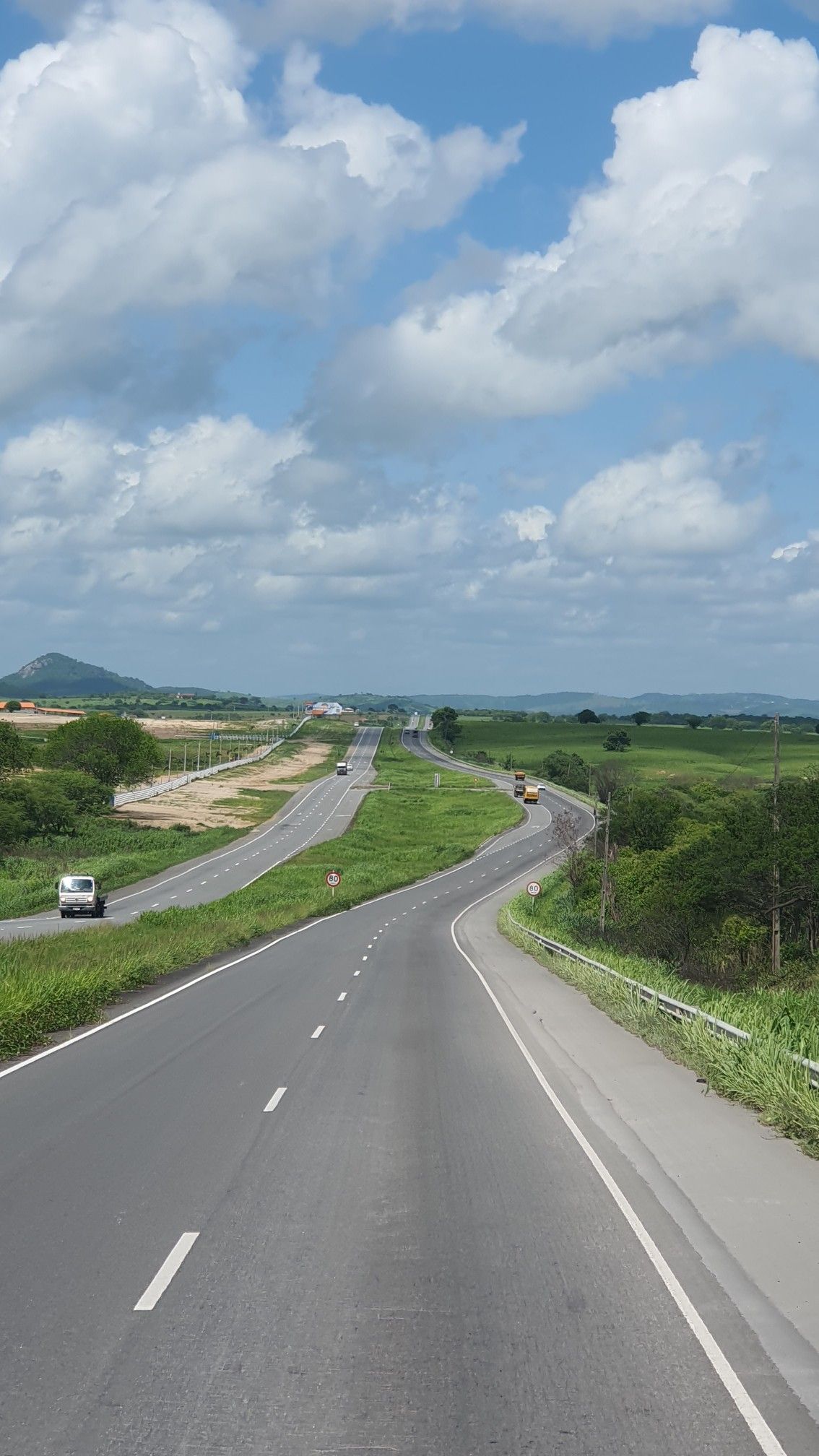
We are a logistics company. Our work is movement helping people relocate their homes, transport their vehicles, and deliver their goods safely across Nigeria. And we want to be honest with you about something: the biggest obstacle to that work is not bad roads or rising fuel costs. It is fear. Nigerians are scared to move and they have real reasons to be.
The Roads Are No Longer Safe
Across Nigeria's interstate highways, armed bandits have turned routine road travel into a calculated risk. Kidnapping gangs have been stopping drivers on major routes to rob and abduct passengers and goods. Drivers who move goods and people between states the backbone of Nigeria's informal logistics economy now operate under a constant threat that no amount of professionalism can fully protect against.
This is not hypothetical. In 2025, over 2,900 people were kidnapped in the Northwest region alone more than 60 percent of all reported abduction incidents nationwide. In late 2025, armed men abducted about 45 passengers from three commercial buses along the Otukpo-Enugu Road in Benue State, demanding millions in ransom. In November 2025, bandits kidnapped seven mourners at the border of Abuja's FCT and snatched over 24 more from a rice farm in Niger State the same week. These are not isolated incidents they are a pattern.
Then came May 15, 2026 and something shifted. On that morning, armed men on motorcycles stormed three schools in the Oriire Local Government Area of Oyo State: Baptist Nursery and Primary School in Yawota, Community Grammar School and L.A. Primary School in Esiele. By the time they left, 46 people had been taken captive 39 pupils and 7 teachers. The youngest victim was two years old. Mathematics teacher Michael Oyedokun was beheaded. A video of his killing was circulated online. Weeks later, many of the victims were still in the forest. The vice principal, Mrs Alamu Folawe, recorded a distress video from captivity on May 27 kneeling, visibly distraught begging President Tinubu and Governor Makinde to negotiate for their release.
This was not the north. This was Oyo State. The Senate described it as "an assault on our collective humanity." The Nigeria Union of Teachers declared an indefinite strike and called for nationwide protests. Between May 13 and May 15 alone, at least 82 pupils were abducted across Oyo and Borno states in separate coordinated attacks. Insecurity has moved from the highways into the classrooms.
What It Does to Ordinary Life
When roads become dangerous, everything downstream suffers. People delay relocations they need to make. Businesses hold back deliveries. Families avoid visiting relatives in other states. Drivers particularly long-haul and interstate operators carry psychological weight that never fully leaves them. The sense of vulnerability on Nigeria's highways has been described by researchers as producing "helplessness, trauma, and vulnerability among road travelers." That is the everyday experience of millions of Nigerians simply trying to go about their lives.
For a company like Raid Logistics, this is personal. Every move we coordinate involves real people trusting us with their belongings and often making a journey themselves. We plan every route carefully, we communicate with our teams throughout, and we monitor conditions on the roads we use. But we also know that no company-level response is a substitute for a country that is actually safe to move around in.
The Root of the Problem Is Governance
Nigeria spends significantly on security every year. Yet the violence has not stopped it has spread. Armed groups that once operated only in the far north have expanded their reach into north-central, southeast, and even federal capital territory. Communities across Plateau and Benue states face farmer-herder violence that has killed thousands and displaced hundreds of thousands more. The pattern is consistent: attacks happen, statements are issued, and conditions remain largely unchanged.
The question this raises is not whether Nigeria has a security problem it clearly does. The question is whether the people in power have treated it with the urgency it demands. By most measures, the answer has been no.
This is why 2027 matters:
The insecurity that is making Nigerian roads dangerous, slowing relocations, and traumatising drivers and travellers is not inevitable. It is a governance failure. And governance is changed through elections when citizens show up, vote, and hold leaders accountable for results.
Your PVC Is the Most Powerful Tool You Have
The 2027 General Elections are approaching. The Presidential election is set for 16 January 2027. Governorship and State Assembly elections follow on 6 February 2027. And the deadline to register or transfer your voter details is 30 August 2026 which means the window is now.
If you have never registered, or if you have moved and need to transfer your polling unit, or if your details need correcting this is the time to act. INEC's Continuous Voter Registration exercise is running at all 37 state offices and all 774 LGA offices across the country. You can start the process online right now.
- New voters: register if you have turned 18 or have never registered before
- Relocators: transfer your polling unit to your current address
- Corrections: fix a misspelt name, wrong date of birth, or outdated address
- Uncollected PVCs: if you registered before but never picked up your card, collect it now
- Lost or damaged cards: apply for a replacement through the CVR portal
Vote the Right Person This Time
We are not telling you who to vote for. That is your right to exercise based on your judgment, your community, and your conscience. What we are saying as a company that operates on Nigeria's roads and depends on this country functioning is that every Nigerian who wants safer roads, a more stable economy, and the freedom to move around their own country without fear needs to show up.
Vote for candidates who have concrete plans for security, not just slogans. Vote for people with track records, not just promises. Vote for leaders who understand that when ordinary Nigerians cannot move freely, everything business, family, logistics, life itself is disrupted. And when you have voted, hold them to it.
A Nigeria where people can move freely, where drivers do not fear the road, where families can relocate without anxiety that is not a fantasy. It is the baseline every Nigerian deserves. But it will not happen without the right people in office. And the right people only get into office when Nigerians decide to put them there.
Register to vote before August 30, 2026
The CVR deadline is 30 August 2026. The Presidential election is 16 January 2027. Register online now, complete your physical registration at your nearest INEC LGA office, and collect your PVC. Your vote is your voice use it.
Register on INEC PortalRegistration runs at all 37 INEC State Offices and 774 LGA offices nationwide, weekdays 9am – 3pm. Physical registration deadline: 30 August 2026.